A Guide to Understanding Roof Pitch: Finding the Perfect Fit for Your Home Mar 28, 2026
Roof pitch, also referred to as the slope or angle of your roof, determines how steep or shallow your roof is. This aspect is crucial when planning a new build or roof replacement. The pitch affects drainage, energy efficiency, and architectural style, making it an essential consideration for homeowners.
In general, roof pitch is described in terms of "rise" over "run." For example, a 4/12 pitch means the roof rises four inches for every 12 inches of horizontal distance. Understanding this measurement is crucial, as it helps you select materials that will work optimally with your roof's angle and local weather conditions.
For instance, steep roof pitches such as 8/12 or higher are ideal in regions with heavy snowfall. This type of pitch allows snow to slide off effortlessly, reducing the weight burden and preventing potential damage. Additionally, steep roofs often provide more attic space or cathedral ceilings, increasing the usable space in your home.
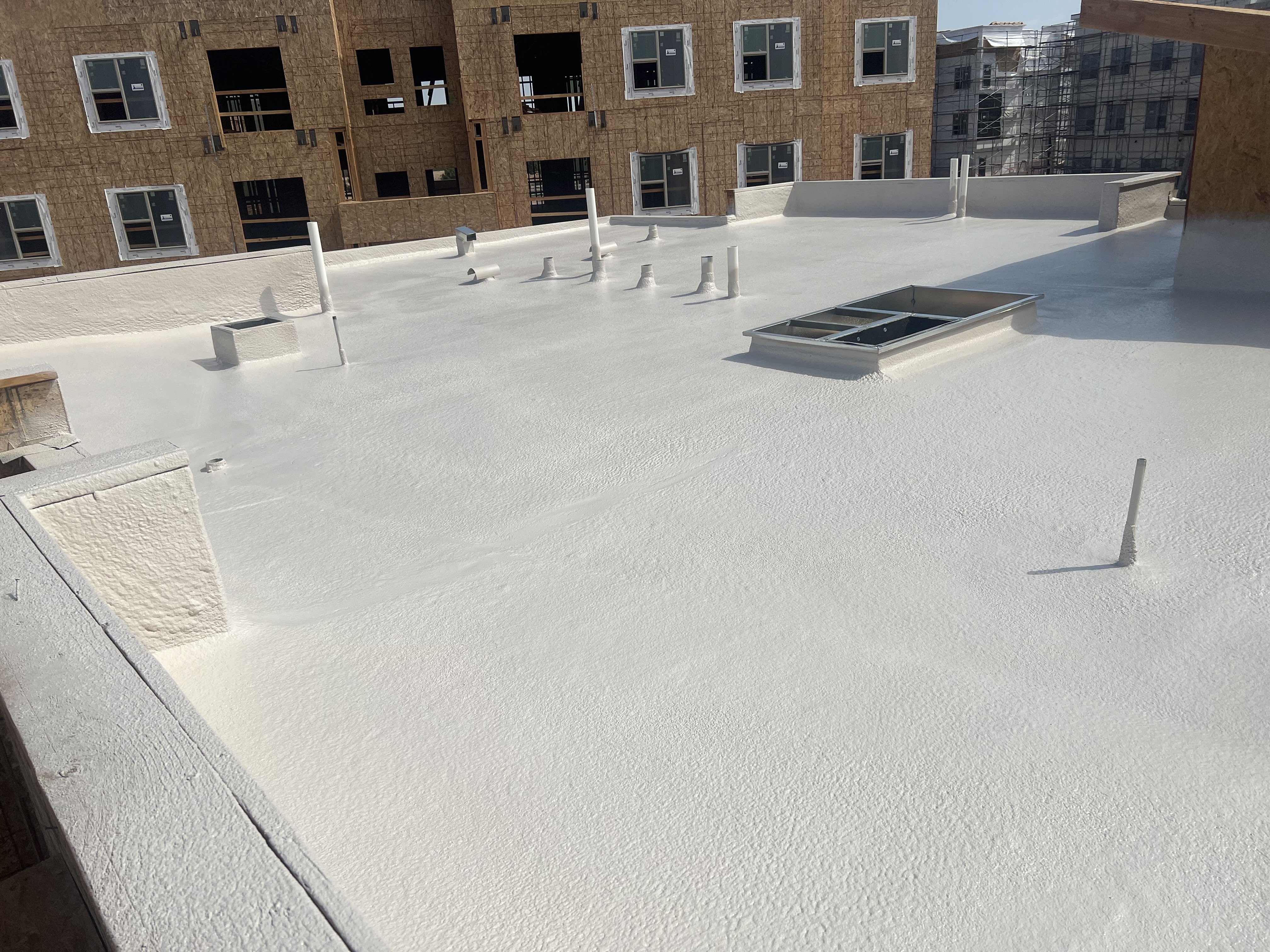
On the other hand, a low-slope roof, such as a 2/12 to 4/12 pitch, typically suits areas with minimal precipitation. These roofs maintain a minimalist and modern aesthetic, which can improve the visual appeal of contemporary homes. However, they require diligent weatherproofing to prevent water pooling and leaks.
When choosing your roof pitch, it’s essential to consider not just aesthetic preferences but also practical implications. Materials play a significant role in compatibility with various pitches. For instance, asphalt shingles are versatile and work well on a variety of pitches, whereas clay tiles are better suited for steeper slopes. Understanding the relationship between materials and pitch can impact your roof’s longevity and maintenance needs.
Energy efficiency is another critical factor influenced by roof pitch. A steeper roof can improve ventilation, leading to better air circulation and reduced strain on heating and cooling systems. Conversely, low-slope roofs offer opportunities for energy-efficient installations like solar panels, making them attractive for environmentally conscious homeowners.
Before making a decision, consult with roofing professionals like the team at Sam’s Quality Roofing. Their expertise can help ensure all factors—climate, materials, energy efficiency, and personal preferences—are thoroughly evaluated. Professional input is invaluable in avoiding common pitfalls, ensuring your investment results in a durable, efficient, and visually appealing roof.
Taking the time to understand your roof pitch can enhance your home’s structural integrity and aesthetic charm. As you navigate your roofing project, remember that a little knowledge can go a long way in making informed decisions that suit your home and lifestyle.
In conclusion, selecting the perfect roof pitch involves careful consideration of various factors, including your home’s architectural style, local climate conditions, and your energy efficiency goals. By partnering with trusted professionals, like Sam’s Quality Roofing, you can feel confident in choosing a roof pitch that enhances your home for years to come. Invest in expertise to ensure your roof offers both beauty and resilience in equal measure.
/filters:no_upscale()/filters:format(webp)/media/77f35912-25a1-4454-ada3-38cf28bfa204.jpeg)
/filters:no_upscale()/filters:format(webp)/media/99be7065-071b-4b54-a125-bf4ecf5c4c1e.jpeg)