The Pros and Cons of Different Roof Designs: Finding the Perfect Fit for Your Home Mar 18, 2026
First, let's explore the popular gable roof, known for its classic triangular shape. This design is favored for its simplicity and effectiveness in shedding water and snow, making it an excellent choice in regions with high precipitation. The steep pitch also offers additional attic space or the potential for vaulted ceilings. However, gable roofs can be vulnerable to damage in high-wind areas if not properly braced. If you're in a wind-prone region, it's crucial to ensure your gable roof is reinforced adequately to avoid issues down the line.
Next up is the hip roof, common in areas that experience strong winds and storms. Unlike gable roofs, hip roofs have slopes on all four sides, which offer more stability and resistance to wind damage. This design also allows water to run off easily. Nonetheless, hip roofs are generally more expensive to build due to their complex structural requirements and potential for less attic space. Despite this, many homeowners find the investment worthwhile for the added durability and aesthetic appeal.
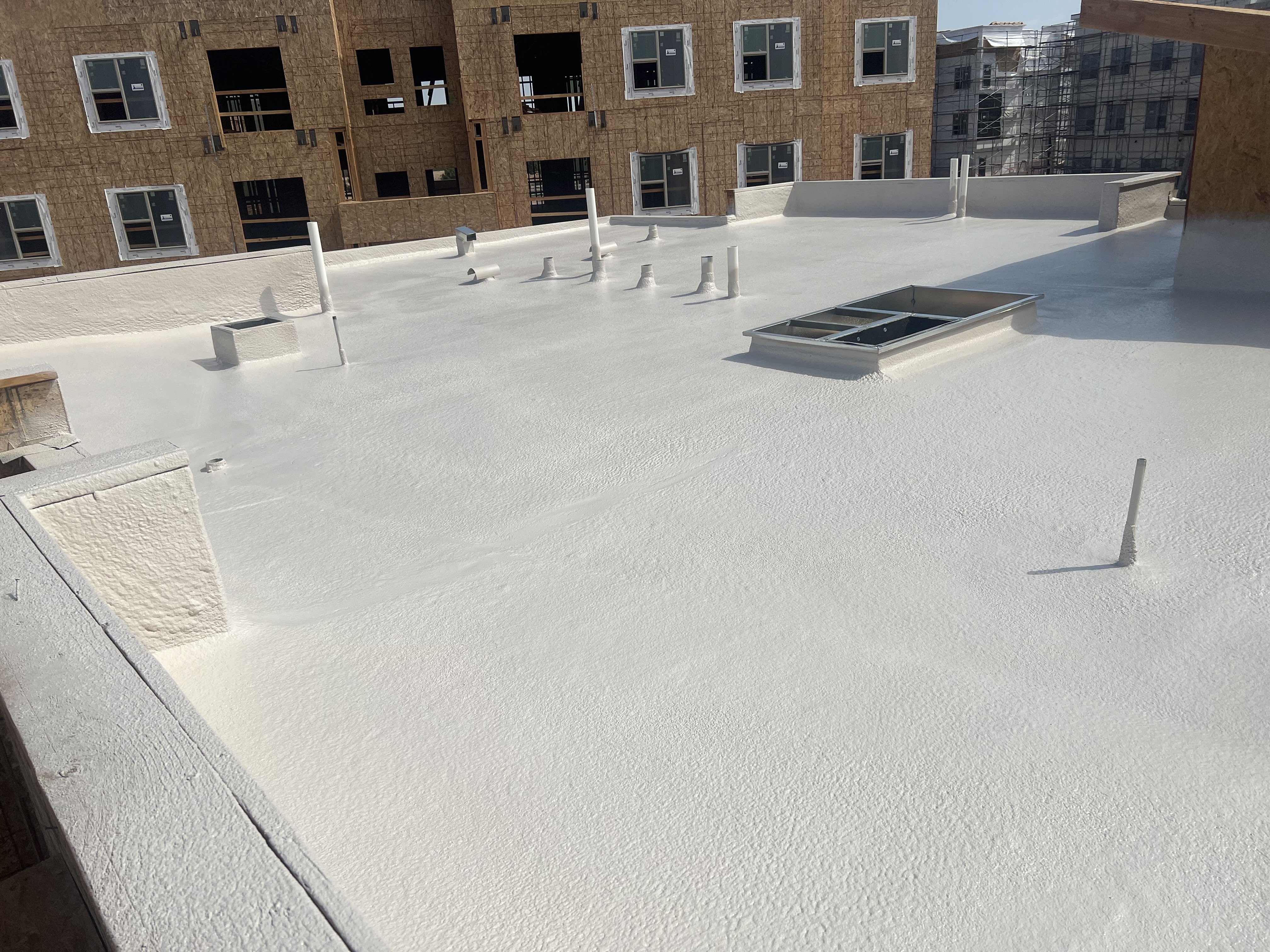
The flat roof design is another option, popular in modern home designs and commercial buildings. Its minimalist look provides a sleek appearance, and the flat surface can be utilized for rooftop gardens or solar panels, promoting energy efficiency. Yet, flat roofs require diligent maintenance to prevent water pooling, which can lead to leaks. Additionally, they may not be well-suited to areas with heavy snowfall unless heated systems are installed to manage snow accumulation.
For those seeking a unique architectural flair, the mansard roof offers both elegance and functionality. Characterized by four sides with a double slope, the lower slope is often steeper and can create additional living space in the attic. Mansard roofs can significantly increase your home’s living area without requiring additional structures. However, the construction is intricate and costly, and due to the complex design, repairs and maintenance can be pricier than simpler roof types.
Lastly, let’s consider shed roofs, which consist of a single, sloping side and are often used for home additions or as part of modern architectural designs. Shed roofs offer simplicity and allow for economical use of building materials. Their single slope makes them ideal for rainwater collection and effective drainage. A potential downside is the limited space for attic use compared to multi-sided designs. However, they can still provide adequate insulation if designed correctly.
In conclusion, selecting the right roof design hinges on understanding your specific needs, location, budget, and style preferences. At Sam’s Quality Roofing, we recommend consulting with roofing professionals to evaluate these factors. With the right guidance, you can achieve a roof design that not only complements your home’s architecture but also meets functional demands, ultimately enhancing your property’s value and longevity. Whether you're replacing an old roof or building a new home, consider these pros and cons to find the perfect fit tailored to your vision.
/filters:no_upscale()/filters:format(webp)/media/77f35912-25a1-4454-ada3-38cf28bfa204.jpeg)
/filters:no_upscale()/filters:format(webp)/media/99be7065-071b-4b54-a125-bf4ecf5c4c1e.jpeg)